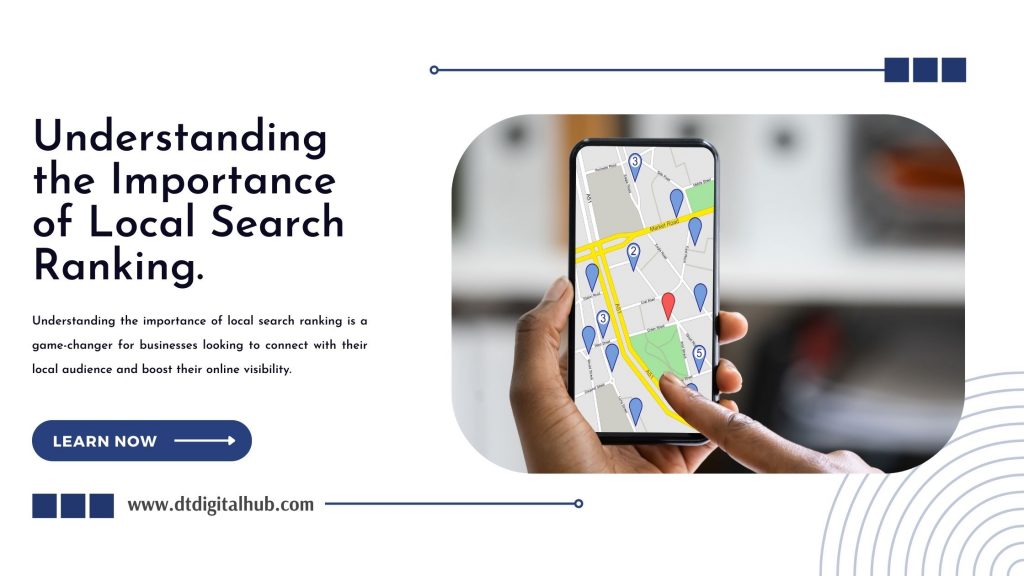
Imagine someone in your city searches “best dentist near me” or “digital marketing agency in [your city].” The businesses that appear at the top get the most clicks, calls, and customers.
That’s the power of local search ranking.
In today’s competitive digital space, simply having a website is not enough. If your business is not visible in local search results, you are missing out on highly valuable customers who are ready to take action.
Whether you run a local shop, service-based business, or agency, improving your local search ranking can directly impact your leads, traffic, and revenue.
In this guide, you’ll learn what local search ranking is, why it matters, and how you can improve it with practical strategies.
What is Local Search Ranking?
Local search ranking refers to the position your business appears in search engine results when users search for products or services in a specific location.
For example:
- “SEO agency near me”
- “best cafe in Delhi”
- “plumber in Varanasi”
Search engines like Google show results based on location relevance, so users see businesses closest to them.
Your ranking depends on several factors such as:
- Relevance of your business information
- Distance from the searcher
- Prominence (reviews, backlinks, reputation)
Why Local Search Ranking is Important
1. Increases Your Visibility
When your business ranks higher, more people see it. Most users don’t go beyond the first page, so ranking at the top gives you maximum exposure.
2. Brings High-Intent Customers
Local searches usually come from users who are ready to take action.
For example:
Someone searching “restaurant near me” is likely looking to visit immediately.
3. Builds Trust and Credibility
Businesses that appear at the top are often seen as more reliable and trustworthy by users.
4. Gives You a Competitive Advantage
If your business ranks above competitors, you get more clicks, calls, and conversions.
5. Drives Foot Traffic and Sales
A strong local presence doesn’t just increase online traffic—it also brings people to your physical location.
How Google Ranks Local Businesses
Google uses three main factors for local ranking:
Relevance
How well your business matches the user’s search query.
Distance
How close your business is to the user’s location.
Prominence
How well-known and trusted your business is online (reviews, backlinks, mentions).
Understanding these factors helps you optimize your business effectively.
How to Improve Your Local Search Ranking
Here are practical and proven strategies you should follow:
1. Optimize Your Google Business Profile
Your Google Business Profile (formerly Google My Business) is the foundation of local SEO.
Make sure you:
- Add accurate business name, address, and phone number
- Select the right category
- Upload high-quality images
- Update business hours regularly
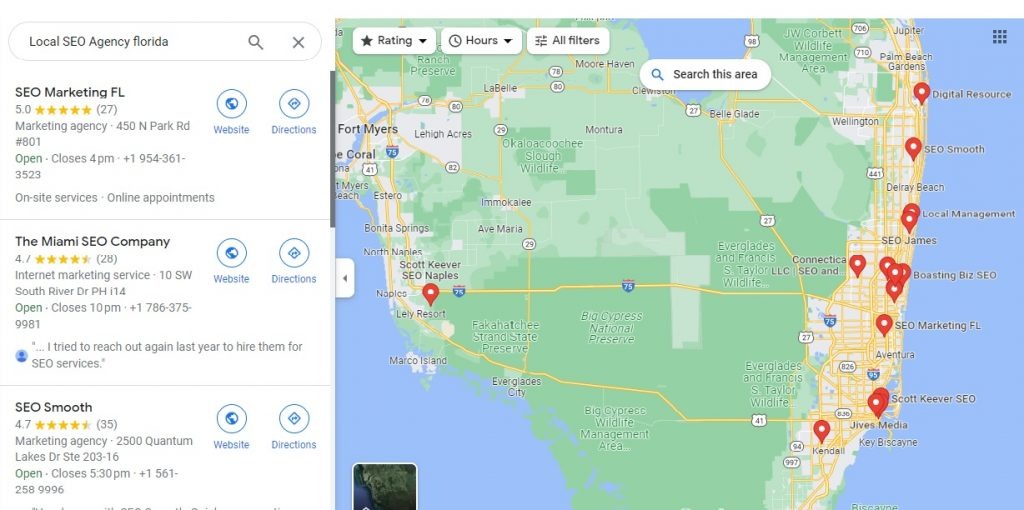
A well-optimized profile increases your chances of appearing in the local map pack.
2. Focus on Customer Reviews
Reviews play a huge role in local rankings and conversions.
Best Practices:
- Ask satisfied customers to leave reviews
- Respond to all reviews (positive and negative)
- Maintain a high rating
More positive reviews = more trust + better rankings
3. Use Local Keywords
Include location-based keywords in your content.
Examples:
- “Digital marketing agency in Varanasi”
- “Best salon in Mumbai”
Use these keywords in:
- Page titles
- Meta descriptions
- Headings
- Website content
4. Maintain NAP Consistency
Your Name, Address, and Phone number should be consistent across:
- Website
- Google Business Profile
- Directories
- Social media
Inconsistent information can confuse search engines and hurt your rankings.
5. Create Localized Content
Content helps you rank for more local searches.
Content Ideas:
- “Top services in [city]”
- “Best places in [location]”
- Local guides and tips
This builds relevance and authority in your area.
6. Build Local Backlinks
Backlinks from local websites improve your credibility.
Try to get links from:
- Local directories
- News websites
- Blogs
- Business listings
Quality matters more than quantity.
7. Optimize for Mobile Users
Most local searches happen on mobile devices.
Make sure your website:
- Loads fast
- Is mobile-friendly
- Has easy navigation
A poor mobile experience can reduce rankings and conversions.
8. Add Schema Markup
Use local business schema to help search engines understand your business details better.
This can improve your visibility in search results.
Common Mistakes to Avoid
- Ignoring Google Business Profile
- Inconsistent NAP details
- Not responding to reviews
- Using generic (non-local) keywords
- Not updating business information
Avoiding these mistakes can significantly improve your performance.
Real Impact of Local SEO (What People Search)
Here are common queries users search:
- “near me” searches
- “best [service] in [city]”
- “top rated [business type] near me”
- “open now near me”
If your business is optimized for these searches, you can capture high-intent traffic easily.
Conclusion
Local search ranking is no longer optional—it’s essential for any business that wants to grow locally.
When your business appears at the top of local search results, you gain:
- More visibility
- More trust
- More customers
The key is consistency. Optimize your profile, create valuable local content, and focus on building trust through reviews and accurate information.
Over time, these efforts will help you dominate local search results and grow your business sustainably.
Related Blogs:
How to Claim a Business on Google: A Comprehensive Guide
Local SEO for Small Businesses: How to Rank Your Business on Google
Frequently Asked Questions
What is local search ranking?
Local search ranking is the position of your business in search results for location-based queries.
How is local SEO different from regular SEO?
Local SEO focuses on geographic searches, while regular SEO targets broader search queries.
Do reviews affect local ranking?
Yes, reviews significantly impact your ranking and user trust.
Can I rank locally without a physical store?
Yes, service-based businesses can still rank using location-based targeting.
How long does it take to improve local ranking?
It usually takes a few weeks to months depending on competition and optimization efforts.