- Introduction
- What is PPC (Pay-Per-Click) or Search Engine Marketing (SEM)?
- What is SEO?
- Key Difference Between SEO and Google Ads
- Paid Search vs Organic Search
- Why SEO and Google Ads Work Better Together
- How SEO Data Improves Google Ads Campaigns
- How Google Ads Improves SEO Strategy
- E-Commerce Advantage of Combining SEO and Ads
- Common Mistakes to Avoid
- Final Strategy: How to Use SEO and Google Ads Together
- Conclusion
- FAQs
Introduction
In today’s digital world, simply having a website is not enough. Businesses need visibility, traffic, and conversions to survive and grow online. Two of the most powerful strategies that help achieve this are Search Engine Optimization (SEO) and Google Ads (previously known as Google AdWords).
Many people treat SEO and Google Ads as separate strategies, but in reality, they work best when used together. One builds long-term organic growth, while the other delivers instant visibility and targeted traffic.
This guide explains how SEO and Google Ads work together, their differences, benefits, and how you can combine them to maximize your marketing results.
What is PPC (Pay-Per-Click) or Search Engine Marketing (SEM)?
Pay-Per-Click (PPC), also known as Search Engine Marketing (SEM), is a digital advertising model where advertisers pay each time someone clicks on their ad.
Instead of waiting for organic traffic, businesses can “buy” visibility on search engines.
Google Ads is the most popular PPC platform. It allows businesses to create targeted campaigns that appear at the top of search engine results pages (SERPs).
Key features of PPC:
- Instant traffic generation
- Highly targeted audience reach
- Full budget control
- Performance-based cost system
However, once you stop paying, your visibility disappears immediately.
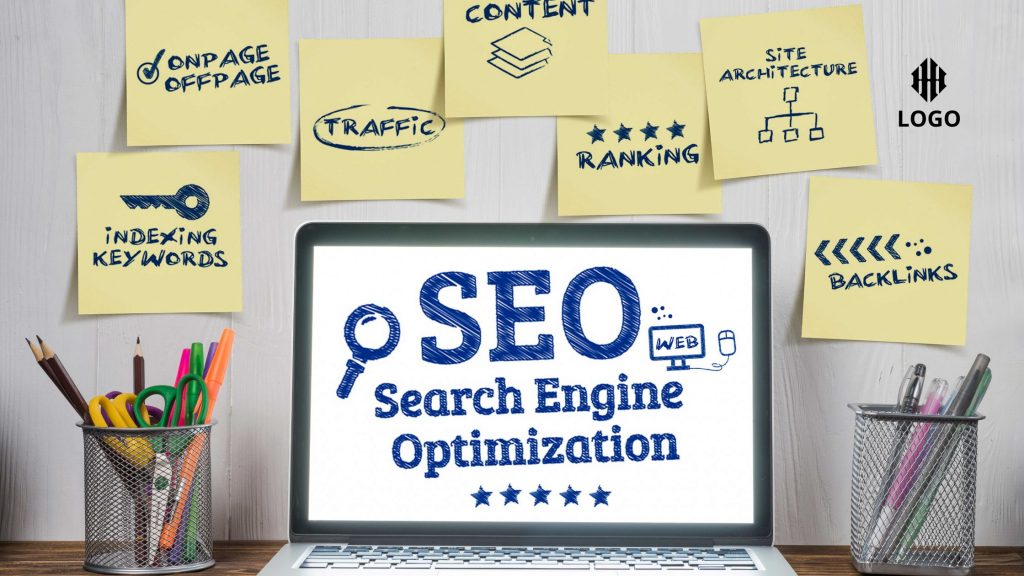
What is SEO?
Search Engine Optimization (SEO) is the process of improving your website to increase its visibility in organic search results.
Unlike PPC, SEO does not involve paying for clicks. Instead, it focuses on optimizing your website so that search engines rank it higher naturally.
SEO includes:
- Keyword research
- On-page optimization (titles, meta descriptions, content)
- Technical SEO (site speed, mobile optimization)
- Off-page SEO (backlinks, authority building)
The goal of SEO is long-term, sustainable traffic growth.
Key Difference Between SEO and Google Ads
Both SEO and Google Ads aim to bring traffic to your website, but they work differently.
Google Ads:
- Paid traffic
- Immediate visibility
- Appears at the top of search results
- Stops when budget ends
SEO:
- Organic (free) traffic
- Takes time to rank
- Builds long-term authority
- Sustainable results
In simple terms, Google Ads gives speed, while SEO gives stability.
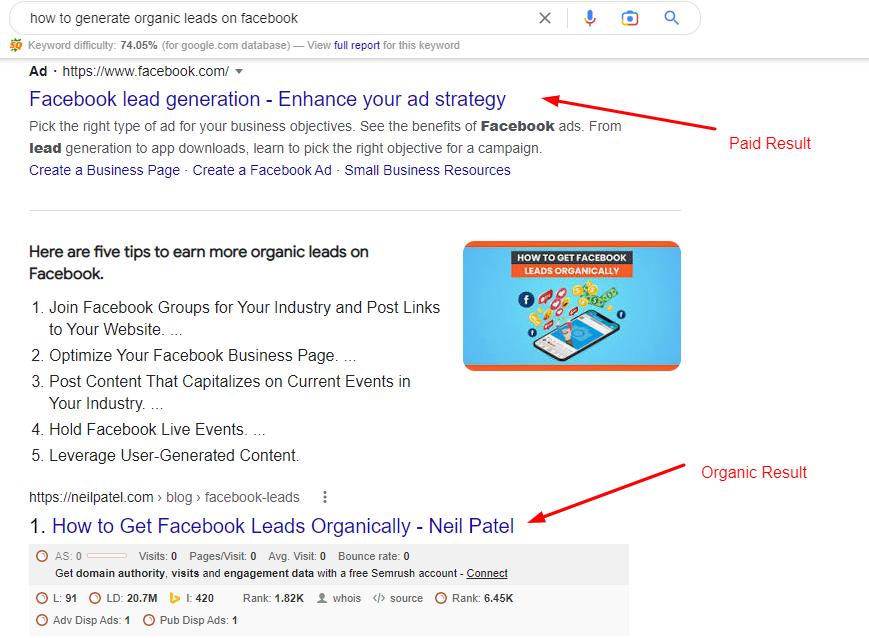
Paid Search vs Organic Search
Paid Search (PPC)
Paid search allows you to appear instantly in search results by bidding on keywords.
Advantages:
- Fast results
- Easy testing of campaigns
- Precise targeting
- Flexible budgeting
Disadvantages:
- Traffic stops when ads stop
- Can become expensive
- Requires ongoing optimization
Organic Search (SEO)
Organic search is earned visibility through optimization.
Advantages:
- Long-term traffic
- Builds trust and credibility
- No cost per click
- Strong brand authority
Disadvantages:
- Takes time to show results
- Requires consistent effort
- Competitive in high-demand niches
Why SEO and Google Ads Work Better Together
Instead of choosing one, combining SEO and Google Ads creates a powerful marketing strategy.
1. Maximum Search Visibility
When you use both strategies, your brand appears in both paid ads and organic listings. This double exposure increases trust and click-through rates.
Users are more likely to click on a brand they see multiple times in search results.
2. Better Keyword Insights
Google Ads provides real-time keyword performance data. You can see which keywords convert better and use that data to improve your SEO strategy.
For example:
- High-converting PPC keywords → Add to SEO content strategy
- Low-performing keywords → Avoid in SEO targeting
3. Faster Testing for SEO Strategy
SEO takes time, but Google Ads gives instant feedback.
You can test:
- Which keywords bring conversions
- Which landing pages perform best
- What type of messaging works
Once you find winning combinations, you can apply them to SEO.
4. Improved Conversion Strategy
Google Ads helps drive immediate traffic, while SEO builds trust over time. When combined, users often:
- Discover your brand via ads
- Return later through organic search
- Convert at a higher rate
This creates a full customer journey funnel.
5. Brand Trust and Authority
Appearing in both paid and organic results increases brand credibility. Users tend to trust brands that dominate search results.
This improves:
- Brand recognition
- Click-through rate
- Conversion probability
6. Better Budget Optimization
When SEO starts generating organic traffic, you can reduce dependency on ads. This allows smarter budget allocation.
You can:
- Invest PPC in high-conversion campaigns
- Use SEO for long-term traffic stability
7. Handling Competition and Market Changes
If competition increases or SEO rankings drop, Google Ads ensures your visibility remains stable.
Similarly, if ad costs rise, SEO provides a backup traffic source.
How SEO Data Improves Google Ads Campaigns
SEO insights can directly improve PPC performance:
- Identify high-ranking organic keywords → use in ads
- Improve ad copy using SEO content insights
- Optimize landing pages based on SEO behavior data
- Reduce wasted ad spend
SEO gives understanding, PPC gives speed.
How Google Ads Improves SEO Strategy
Google Ads also helps strengthen SEO:
- Keyword Planner helps discover new keywords
- Ad performance shows user intent
- Landing page testing improves SEO pages
- Audience data helps refine content strategy
Together, they create a feedback loop of improvement.
E-Commerce Advantage of Combining SEO and Ads
For online stores, combining both strategies is extremely powerful.
Google Ads:
- Promotes products instantly
- Drives sales quickly
SEO:
- Builds long-term product visibility
- Increases organic product searches
Together, they maximize revenue potential.
Common Mistakes to Avoid
Many businesses fail because they:
- Rely only on ads or only on SEO
- Ignore keyword research
- Do not analyze performance data
- Treat SEO and PPC separately
A combined strategy always performs better.
Final Strategy: How to Use SEO and Google Ads Together
To get the best results:
- Use Google Ads for quick traffic and testing
- Use SEO for long-term growth
- Share keyword data between both
- Optimize landing pages for conversions
- Continuously analyze performance
This creates a balanced, scalable marketing system.
Conclusion
SEO and Google Ads are not competitors. They are powerful partners in digital marketing.
SEO builds trust, authority, and long-term visibility. Google Ads provides speed, control, and immediate results. When used together, they create a complete marketing ecosystem that drives consistent traffic, better conversions, and stronger brand growth.
If your goal is long-term success, the smartest approach is not choosing between SEO and Ads—but combining both strategically.
Related Blogs:
How to Run Facebook Ads That Actually Work
FAQs
1. How do SEO and Google Ads work together?
SEO and Google Ads work together by combining organic and paid strategies to increase visibility, drive traffic, and improve conversions for a website.
2. What is the main difference between SEO and Google Ads?
SEO focuses on organic traffic and long-term results, while Google Ads provides paid traffic with immediate visibility in search results.
3. Why should SEO and PPC be used together?
Using both helps businesses get instant traffic from ads and long-term growth from SEO, while also sharing keyword data to improve performance.
4. Can Google Ads improve SEO performance?
Yes, Google Ads provides keyword and audience data that can help improve SEO strategy, content optimization, and conversion targeting.
5. Is SEO better than Google Ads?
Neither is better alone. SEO provides long-term results, while Google Ads offers quick traffic. Together, they create a stronger marketing strategy.