- What is SEO in 2026?
- Why SEO is Important in 2026
- 1. SEO Drives High-Intent Traffic
- 2. Organic Search is Still the #1 Traffic Source
- 3. SEO Builds Trust, Authority & Credibility
- 4. SEO Enhances User Experience (UX)
- 5. SEO is a Cost-Effective Marketing Strategy
- 6. SEO Supports Long-Term Business Growth
- 7. SEO Helps You Stay Competitive
- 8. Mobile-First Indexing is Critical
- 9. SEO Helps Understand Customer Behavior
- 10. Local SEO Drives Conversions
- Key Benefits of SEO in 2026
- SEO Strategy for 2026
- SEO and the Buying Journey
- SEO vs Paid Advertising
- Common SEO Mistakes to Avoid
- The Future of SEO
- Final Thoughts
- FAQs
In 2026, digital competition is fiercer than ever. With AI-powered search, evolving algorithms, and changing user behavior, simply having a website is no longer enough. Businesses must ensure they are visible, relevant, and trustworthy online—and that’s exactly where Search Engine Optimization (SEO) plays a crucial role.
SEO has evolved from basic keyword placement to a comprehensive strategy focused on user intent, experience, and value. Whether you are a startup, a growing brand, or an established enterprise, understanding the importance of SEO in 2026 can directly impact your visibility, traffic, and revenue.
In this guide, we’ll explore why SEO matters, its benefits, modern strategies, and how it drives long-term business growth.
What is SEO in 2026?
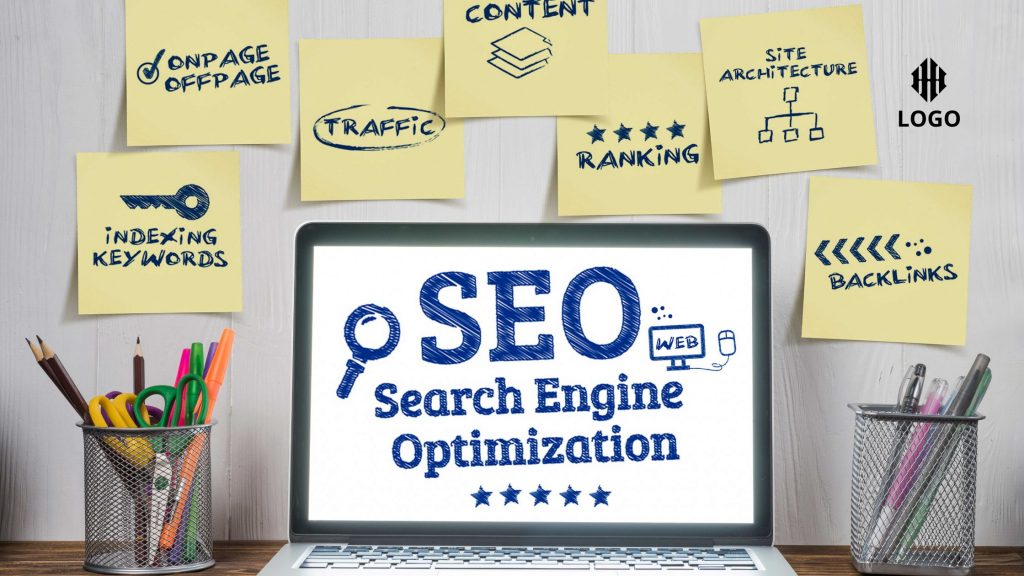
Search Engine Optimization (SEO) is the process of improving your website’s visibility on search engines like Google by optimizing content, structure, and overall user experience.
In 2026, SEO is no longer just about ranking—it’s about:
- Understanding user intent
- Creating helpful, high-quality content
- Optimizing for AI-driven search results
- Delivering seamless user experiences
Search engines now prioritize experience, expertise, authority, and trust (EEAT), making SEO more sophisticated and user-focused than ever before.
Why SEO is Important in 2026
1. SEO Drives High-Intent Traffic
SEO helps you attract users who are actively searching for your products or services. These users already have intent, which makes them more likely to convert.
For example:
- “Best SEO agency near me” → high purchase intent
- “What is SEO?” → informational intent
By targeting the right keywords, SEO ensures you bring in traffic that actually matters.
2. Organic Search is Still the #1 Traffic Source
Even in 2026, organic search continues to dominate as the primary source of website traffic.
Unlike paid ads, organic traffic:
- Builds long-term value
- Is more trusted by users
- Provides consistent results
Ranking on search engines ensures a steady flow of visitors without ongoing ad spend.
3. SEO Builds Trust, Authority & Credibility
Users trust search engines—and they trust websites that rank higher.
Appearing on the first page:
- Signals authority
- Builds credibility
- Increases brand recognition
In competitive industries, strong SEO can position your brand as a leader.
4. SEO Enhances User Experience (UX)
Modern SEO is deeply connected with user experience.
Search engines prioritize websites that:
- Load fast
- Are mobile-friendly
- Have clear navigation
- Provide valuable content
A well-optimized website not only ranks better but also keeps users engaged and satisfied.
5. SEO is a Cost-Effective Marketing Strategy
Compared to paid advertising, SEO offers a higher return on investment over time.
Why SEO is cost-effective:
- Targets users with intent
- Generates free organic traffic
- Reduces dependency on ads
While SEO requires time and effort, the long-term benefits far outweigh the costs.
6. SEO Supports Long-Term Business Growth
SEO is not a one-time effort—it’s a long-term growth strategy.
Once your website ranks:
- You gain consistent traffic
- Your authority increases
- Your brand visibility expands
Unlike ads that stop when budgets end, SEO continues to deliver results.
7. SEO Helps You Stay Competitive
Your competitors are already investing in SEO.
If you’re not optimizing your website:
- You lose visibility
- You miss potential customers
- You fall behind in rankings
SEO helps you:
- Analyze competitors
- Identify gaps
- Capture more market share
8. Mobile-First Indexing is Critical
With most users browsing on mobile devices, Google now uses mobile-first indexing.
This means your mobile website matters more than ever.
SEO ensures:
- Responsive design
- Fast loading speed
- Smooth mobile experience
Ignoring mobile optimization can directly hurt your rankings.
9. SEO Helps Understand Customer Behavior
SEO provides valuable insights into your audience.
By analyzing search data, you can understand:
- What users are searching for
- Their pain points
- Their buying behavior
This helps you create content that aligns with user needs.
10. Local SEO Drives Conversions
Local SEO is essential for businesses targeting specific areas.
Searches like:
- “Best clinic near me”
- “restaurant in [city]”
Have high conversion rates.
Local SEO helps:
- Increase visibility
- Drive foot traffic
- Boost sales
Key Benefits of SEO in 2026
Here are the major benefits businesses experience with SEO:
- Increased organic traffic
- Higher search engine rankings
- Better user experience
- Strong brand authority
- Cost-effective marketing
- Long-term ROI
- Competitive advantage
- Improved conversion rates
SEO Strategy for 2026
To succeed in 2026, businesses need a modern SEO strategy.
1. Focus on Search Intent
Understand what users actually want—not just keywords.
2. Create High-Quality Content
Content should be:
- Informative
- Engaging
- Problem-solving
3. Optimize for AI & Voice Search
Search is becoming more conversational. Use natural language and question-based content.
4. Improve Technical SEO
Ensure:
- Fast loading speed
- Clean site structure
- Proper indexing
5. Build High-Quality Backlinks
Backlinks remain a strong ranking factor. Focus on quality over quantity.
6. Prioritize EEAT
Demonstrate:
- Experience
- Expertise
- Authority
- Trustworthiness
SEO and the Buying Journey
SEO plays a role in every stage of the customer journey:
Awareness Stage
Users search for information → blogs, guides
Consideration Stage
Users compare options → reviews, comparisons
Decision Stage
Users are ready to buy → landing pages, service pages
By optimizing content for each stage, you can guide users toward conversion.
SEO vs Paid Advertising
| Factor | SEO | Paid Ads |
|---|---|---|
| Cost | Long-term investment | Continuous spending |
| Traffic | Organic | Paid |
| Sustainability | Long-lasting | Stops when ads stop |
| Trust | High | Moderate |
Best strategy: Combine both, but prioritize SEO for long-term growth.
Common SEO Mistakes to Avoid
- Ignoring user intent
- Keyword stuffing
- Poor website speed
- Not optimizing for mobile
- Low-quality content
- Ignoring technical SEO
Avoiding these mistakes can significantly improve your performance.
The Future of SEO
SEO is evolving rapidly with:
- AI-driven search results
- Voice search
- Visual search
- Zero-click searches
To succeed, businesses must:
- Adapt quickly
- Focus on quality
- Prioritize user experience
Final Thoughts
SEO in 2026 is not just about rankings—it’s about delivering value, building trust, and creating meaningful user experiences.
Businesses that invest in SEO:
- Gain consistent traffic
- Build authority
- Achieve long-term growth
If you want sustainable success in the digital world, SEO is not optional—it’s essential.
Related Blogs:
What is Local SEO and How does it Work?
What Is Google Business Profile and How Does It Work?
FAQs
What is SEO and why is it important in 2026?
SEO helps websites rank higher on search engines, increasing visibility, traffic, and conversions in an increasingly competitive digital landscape.
Is SEO still relevant in 2026?
Yes, SEO is more important than ever due to increasing online competition and AI-driven search behavior.
What are the main benefits of SEO?
- Traffic
- Credibility
- ROI
- Long-term growth
How long does SEO take to show results?
Typically 3–6 months, depending on competition and strategy.