- Why Digital Marketing Decisions Matter in 2026
- Understanding the Basics
- SEO vs. Performance Marketing: Key Differences
- Benefits of SEO for Long-Term Growth
- Benefits of Performance Marketing for Immediate Growth
- How to Decide: SEO or Performance Marketing?
- Digital Marketing Services That Boost 2026 Growth
- Common Pitfalls to Avoid
- Conclusion: Prioritising Growth in 2026
- Frequently Asked Questions (FAQs)
In today’s fast-evolving digital landscape, brands face a crucial question: how should you invest your marketing resources to grow in 2026?
With more competition than ever, understanding the difference between Search Engine Optimization (SEO) and performance marketing is vital. Both can drive results—but choosing the right mix can make or break your growth strategy.
Whether you’re a start-up seeking fast visibility or an established company aiming for sustainable growth, knowing how to leverage digital marketing services is key.
In this article, we’ll explore the differences, benefits, and best practices for both strategies and show how partnering with the best digital marketing agency in Indore can help your brand dominate online.
Why Digital Marketing Decisions Matter in 2026
Digital marketing isn’t just about running ads or posting content—it’s about creating measurable impact.
With evolving algorithms, rising ad costs, and user attention spans shrinking, brands need strategies that combine long-term authority with short-term performance.
The right choice between SEO and performance marketing depends on:
- Your business goals
- Target audience
- Timeline for results
- Budget allocation
By understanding the strengths and limitations of each strategy, you can make smarter investments.
Understanding the Basics
What Is Search Engine Optimization (SEO)?
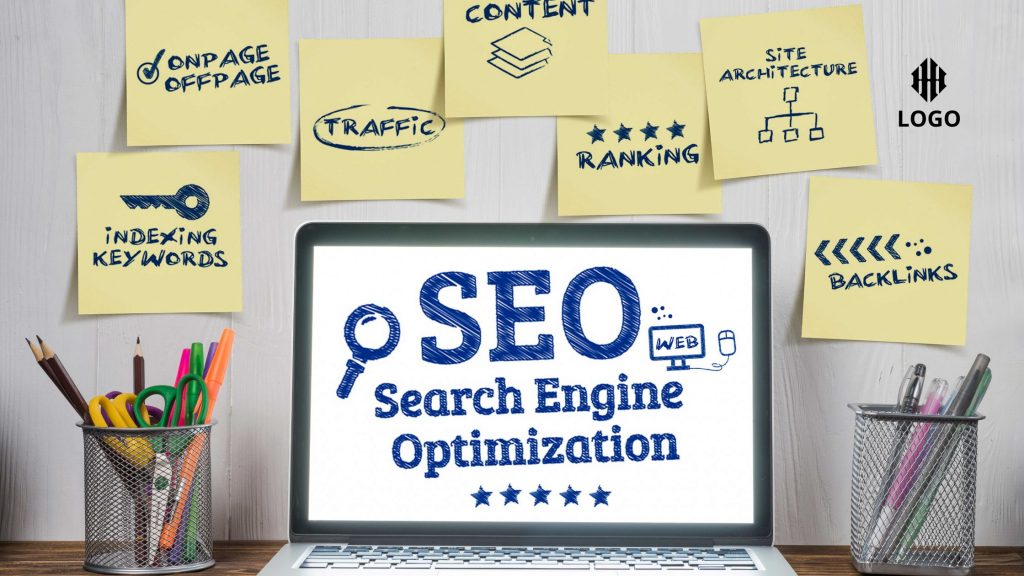
Search Engine Optimization focuses on improving your website’s visibility in organic search results. Instead of paying for traffic, SEO drives visitors naturally through:
- Optimised keywords and meta tags
- High-quality, engaging content
- Technical improvements like faster site speed and mobile responsiveness
- Backlinks and online authority building
The goal is long-term, sustainable visibility, allowing your brand to attract consistent organic traffic while establishing credibility in your niche.
What Is Performance Marketing?
Performance marketing is results-driven paid advertising, where you pay only for measurable actions such as clicks, leads, or conversions. Popular forms include:
- Pay-Per-Click (PPC) campaigns on Google and Bing
- Paid social media advertising on platforms like Facebook, Instagram, and LinkedIn
- Affiliate marketing
- Email campaigns with conversion tracking
Performance marketing is ideal for brands seeking immediate impact, with precise targeting and real-time ROI tracking.
SEO vs. Performance Marketing: Key Differences
| Feature | SEO | Performance Marketing |
| Cost | Investment in tools, content, and strategy | Pay per click, per lead, or conversion |
| Time to Results | Medium to long-term (3–6 months or more) | Immediate or short-term |
| Traffic Type | Organic, consistent | Paid, campaign-dependent |
| ROI | Compounding, long-lasting | Measurable instantly, stops when budget stops |
| Brand Authority | Builds credibility | Limited long-term authority |
Understanding these differences helps brands decide what to prioritise based on growth objectives.
Benefits of SEO for Long-Term Growth
1. Sustainable Organic Traffic
SEO creates long-lasting visibility. Unlike paid ads, which stop generating leads once the budget ends, a well-optimised site continues to attract organic traffic over time.
2. Builds Credibility and Trust
Users often trust organic results more than ads. Ranking at the top for relevant searches positions your brand as a thought leader in your industry.
3. Cost-Effective Over Time
Though SEO requires upfront investment, it reduces dependency on paid campaigns, making it more cost-effective in the long run. A single high-quality page can generate leads consistently for months.
4. Complements Other Digital Marketing Services
SEO content can be repurposed for social media, email marketing, and influencer campaigns, maximizing ROI. Working with the best digital marketing agency in Indore ensures your SEO aligns seamlessly with other marketing strategies.
Benefits of Performance Marketing for Immediate Growth
1. Quick and Measurable Results
Performance campaigns can drive traffic, leads, or sales within hours of launch, unlike SEO, which requires months to show results.
2. Precise Audience Targeting
Ads can be targeted based on demographics, behaviour, location, and interests, ensuring every penny of ad spend reaches the right audience.
3. Scalable Campaigns
High-performing campaigns can be scaled quickly, increasing reach and conversions without delay.
4. Real-Time ROI Tracking
Every click, impression, and conversion is measurable. Data-driven optimisation helps brands improve campaigns continuously.
How to Decide: SEO or Performance Marketing?
Short-Term Goals
If your priority is fast traffic or immediate sales, performance marketing should take the lead. Campaigns are quick to set up and deliver instant measurable results.
Long-Term Goals
For sustainable growth and authority-building, SEO is the clear winner. Organic traffic provides lasting value and reduces reliance on paid campaigns.
Hybrid Strategy: The Best of Both Worlds
Most successful brands adopt a hybrid approach:
- Use performance marketing for immediate visibility and lead generation
- Invest in SEO for long-term growth and authority
This approach balances short-term wins with long-term gains, creating a resilient marketing strategy.
Digital Marketing Services That Boost 2026 Growth
Partnering with a best digital marketing agency in Indore can make this hybrid strategy seamless. Services include:
- SEO audits and strategy
- Paid search and social media campaigns
- Content creation and optimisation
- Conversion rate optimisation
- Analytics and reporting
Integrated digital marketing services help your brand align campaigns, maximise ROI, and deliver measurable growth.
Common Pitfalls to Avoid
- Focusing on one channel only: Neglecting SEO or performance marketing limits growth potential
- Ignoring analytics: Without tracking, optimisation is impossible
- Expecting instant SEO results: SEO requires patience
- Generic paid campaigns: Lack of targeting can waste budget
Avoiding these pitfalls ensures your 2026 strategy is effective and ROI-driven.
Conclusion: Prioritising Growth in 2026
As brands prepare for 2026, it’s clear that neither SEO nor performance marketing alone is sufficient.
- SEO builds long-term credibility, sustainable traffic, and authority
- Performance marketing delivers immediate results, precise targeting, and measurable ROI
A hybrid approach, supported by expert digital marketing services, offers the most reliable path to growth.
Partnering with the best digital marketing agency in Indore ensures that your campaigns are executed efficiently, maximising both short-term impact and long-term authority.
By combining both strategies, your brand can attract, convert, and retain audiences in a competitive digital landscape, setting the stage for significant growth in 2026.
Frequently Asked Questions (FAQs)
1. Which strategy is better for small businesses in 2026?
Small businesses benefit from a hybrid approach. Performance marketing drives immediate traffic and leads, while SEO builds sustainable, organic visibility over time.
2. How long does it take for SEO to show significant results?
SEO results typically take 3–6 months, depending on competition and website optimisation. Long-term results can continue generating leads for years.
3. Can a digital marketing agency handle both SEO and performance marketing?
Yes. A full-service digital marketing agency can integrate SEO, PPC, content, and analytics, creating a cohesive strategy that maximises ROI.
4. Is performance marketing more cost-effective than SEO?
Performance marketing offers instant results but stops once the budget ends. SEO requires upfront investment but delivers long-term, compounding benefits, making it cost-effective over time.