- Why Traditional Lead Generation Is Losing Effectiveness
- What Is AI Lead Generation?
- The Core Components of an AI Lead Generation Strategy
- How AI Improves Lead Quality (Not Just Quantity)
- The Shift from Traffic Funnels to AI Sales Ecosystems
- Common Mistakes in AI Lead Generation
- Industries Benefiting Most from AI Lead Generation
- Why AI Lead Generation Is the Future
- Final Thoughts
- Frequently Asked Questions
AI-powered lead generation uses artificial intelligence tools, automation systems, and predictive analytics to attract, qualify, and convert potential customers more efficiently than traditional marketing methods.
Instead of relying solely on manual outreach or basic ad targeting, AI analyzes user behavior, intent signals, and engagement patterns to deliver personalized experiences that drive conversions.
Businesses implementing structured AI lead generation strategies see improved lead quality, lower acquisition costs, and higher sales automation efficiency.
Why Traditional Lead Generation Is Losing Effectiveness
For years, businesses relied on cold emails, basic Facebook ads, generic landing pages, and manual follow-ups. While these methods can still work, competition has increased dramatically.
Today’s digital users expect personalization. They ignore irrelevant emails, skip generic ads, and abandon websites that don’t immediately match their intent.
The biggest problems with traditional lead generation include:
- Broad targeting with low precision
- Manual lead qualification
- Delayed response times
- High cost per acquisition
- Low personalization
This is where AI changes the game.
What Is AI Lead Generation?
AI lead generation combines machine learning, automation tools, behavioral analytics, and predictive algorithms to identify and convert high-intent prospects.
Instead of guessing who might convert, AI systems analyze data points such as:
- Browsing behavior
- Search intent
- Past purchases
- Engagement patterns
- Device and location signals
This allows businesses to focus only on users most likely to become customers.
The result is smarter targeting, faster nurturing, and automated sales pipelines.
The Core Components of an AI Lead Generation Strategy
To build a system that drives both traffic and qualified leads, you need structured implementation.
1. AI-Powered SEO for Intent-Based Traffic
Traffic is the first step in lead generation. But not all traffic converts.
AI-driven SEO focuses on:
- Search intent optimization
- Semantic keyword clustering
- Topical authority building
- AI Overview visibility
- Featured snippet positioning
Instead of chasing single keywords, content is structured to answer complete user journeys.
Companies like Dt Digital Hub implement intent-based SEO frameworks to attract high-conversion organic traffic rather than vanity clicks.
2. Predictive Audience Targeting in Paid Ads
AI tools inside platforms like Google Ads and Meta Ads use predictive modeling to identify users likely to convert.
Advanced AI advertising strategies include:
- Lookalike audience modeling
- Behavioral segmentation
- Automated bid optimization
- Conversion-focused campaign learning
Rather than manually adjusting campaigns daily, AI continuously optimizes based on performance data.
This reduces ad spend waste and improves return on investment.
3. AI Chatbots for Real-Time Lead Capture
Speed matters in lead generation.
Studies show that responding to a lead within five minutes significantly increases conversion rates. AI chatbots solve this problem instantly.
Modern AI chat systems can:
- Answer pre-sales questions
- Recommend services
- Qualify prospects
- Book appointments
- Collect contact information
Instead of losing visitors after office hours, AI keeps the funnel active 24/7.
Dt Digital Hub integrates AI-driven chat automation systems that nurture leads automatically while businesses focus on operations.
4. Smart Lead Scoring and Qualification
Not every lead is sales-ready.
AI-powered CRM systems analyze behavior such as:
- Email open rates
- Page visits
- Content downloads
- Demo requests
- Time spent on site
Each interaction increases or decreases a lead score. High-scoring prospects are automatically sent to sales teams, while lower-intent users enter nurturing sequences.
This prevents sales teams from wasting time on unqualified inquiries.
5. Automated Email & Funnel Nurturing
AI transforms email marketing from generic blasts into personalized journeys.
Automation workflows can:
- Send follow-ups based on user behavior
- Deliver dynamic content recommendations
- Adjust messaging based on engagement
- Re-engage cold leads automatically
This turns a single website visit into a long-term conversion opportunity.
How AI Improves Lead Quality (Not Just Quantity)
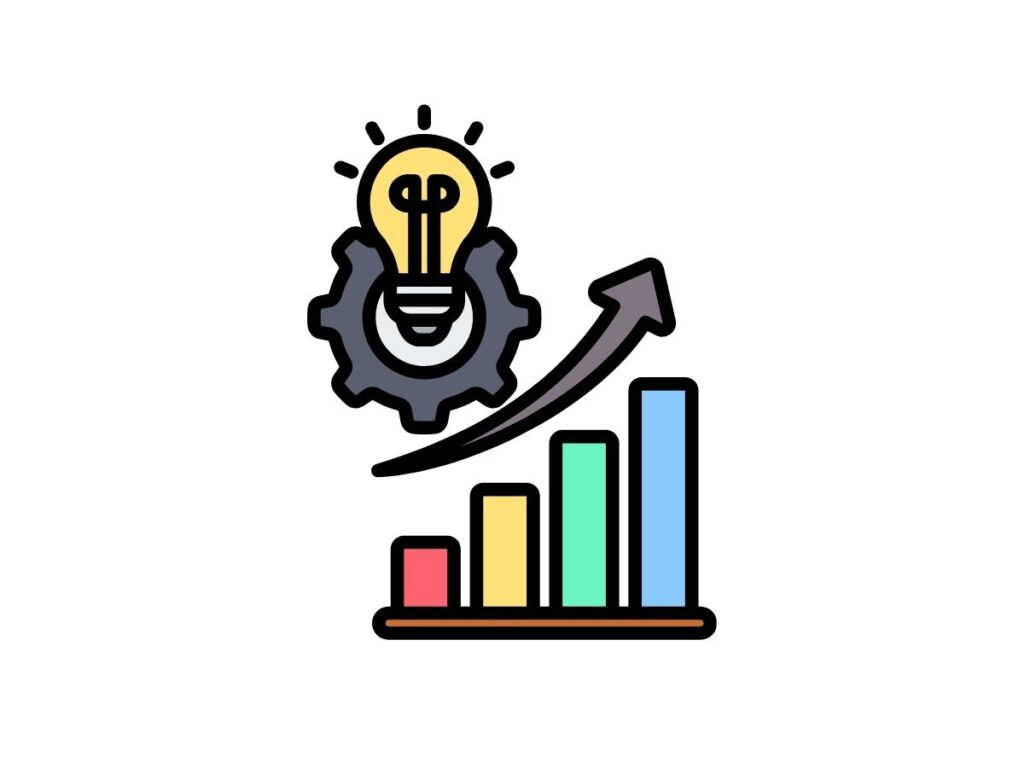
Many businesses focus on generating more leads. The smarter strategy is generating better leads.
AI improves quality by:
- Filtering low-intent visitors
- Identifying purchase readiness
- Tracking micro-conversions
- Personalizing landing page experiences
Instead of 500 random signups, businesses may receive 100 highly qualified prospects ready to buy.
That difference directly impacts revenue.
The Shift from Traffic Funnels to AI Sales Ecosystems
Traditional funnels follow a linear path: traffic → landing page → email → sale.
AI ecosystems are dynamic.
They adjust based on behavior. If a user abandons a form, AI triggers a reminder. If someone reads multiple service pages, they receive targeted case studies. If engagement drops, retargeting ads activate automatically.
This creates a self-optimizing system.
Dt Digital Hub builds integrated AI marketing ecosystems that combine SEO, ads, automation, and CRM tracking into one scalable strategy.
Common Mistakes in AI Lead Generation
Even with powerful tools, strategy matters.
Over-Automation Without Personalization
Automation should enhance human connection, not replace it entirely. Generic AI responses reduce trust.
Ignoring Data Analysis
AI tools generate insights, but businesses must review performance metrics regularly.
Poor Content Quality
AI cannot compensate for weak messaging. Strong value propositions remain critical.
Not Aligning Marketing and Sales
If sales teams don’t follow up properly, even AI-qualified leads will not convert.
Industries Benefiting Most from AI Lead Generation
AI-driven lead generation is particularly effective for:
- SaaS companies
- Digital agencies
- E-commerce brands
- Real estate firms
- Healthcare providers
- Education platforms
- Financial services
Any business with online traffic and a sales cycle can benefit from automation and predictive targeting.
Why AI Lead Generation Is the Future
Search engines are evolving. User behavior is evolving. Competition is increasing.
Manual processes cannot scale efficiently anymore.
AI provides:
- Faster response times
- Lower acquisition costs
- Higher personalization
- Better forecasting accuracy
- Scalable automation
Businesses that adopt AI-driven marketing systems now gain a competitive advantage over those relying on outdated strategies.
Final Thoughts
AI lead generation is no longer optional for growth-focused businesses. It transforms traffic into qualified prospects and automates nurturing into predictable sales pipelines.
Instead of chasing random clicks, businesses can build intelligent marketing ecosystems that identify, engage, and convert the right audience at the right time.
When implemented strategically, AI does not just increase leads—it improves lead quality, accelerates conversions, and creates scalable growth opportunities.
Related Blogs:
Viral Marketing Strategies in 2026 (What’s Actually Working, Not Just Talk)
What is google business profile and how does it work?
Frequently Asked Questions
1. What is AI lead generation?
AI lead generation uses artificial intelligence tools and automation systems to attract, qualify, and convert high-intent prospects more efficiently than traditional marketing methods.
2. Does AI replace human sales teams?
No. AI supports sales teams by qualifying leads, automating repetitive tasks, and providing insights. Human interaction remains essential for closing high-value deals.
3. Is AI lead generation expensive?
Costs vary depending on tools and scale. However, AI often reduces overall acquisition costs by improving targeting accuracy and conversion rates.
4. How long does it take to see results from AI marketing?
Paid ad optimization can show improvements within weeks. Organic AI-driven SEO strategies typically take 3–6 months for significant growth.
5. Can small businesses use AI lead generation?
Yes. Many AI tools are scalable and affordable. Small businesses can implement chat automation, predictive ads, and email workflows without enterprise-level budgets.